
Signs It’s Time to Seal Your Asphalt Surface
Noticing cracks, fading color, or water pooling can indicate signs it’s time to seal your asphalt surface, and local contractors can help protect and extend its lifespan.
If your asphalt surface is showing signs such as cracking, fading, or the appearance of small potholes, it may be time to consider sealing it. These indicators often suggest that the protective layer of your pavement is weakening, making it more vulnerable to weather damage and deterioration over time. Property owners in the area who notice these issues can benefit from consulting experienced local contractors who specialize in asphalt surface sealing. Proper sealing can help preserve the integrity of your pavement, extending its lifespan and maintaining a clean, attractive appearance.
Understanding when to seal your asphalt surface is essential for proactive maintenance. Regularly inspecting your driveway, parking lot, or walkway for signs like surface oxidation or minor surface cracks can help catch problems early. Local service providers are well-equipped to assess these conditions and recommend appropriate sealing solutions. Keeping your asphalt in good condition not only enhances curb appeal but also prevents more costly repairs down the line. Keep reading to learn more about the key signs that indicate it’s time to seal your asphalt surface and how local pros can assist with this important maintenance step.
- Asphalt driveway maintenance - signs it’s time to seal your asphalt surface include widespread cracking and surface fading, prompting local contractors to recommend sealing to preserve durability. Parking lot repairs - when surface deterioration and oil stains become evident, local service providers suggest sealing to protect the asphalt and extend its lifespan. Residential pavement care - visible surface wear or minor cracks indicate the need for sealing, with local pros applying protective coatings to prevent further damage. Commercial lot upkeep - areas with frequent vehicle traffic showing signs of oxidation or minor surface damage often benefit from sealing services offered by local contractors. Asphalt surface preservation - when the surface begins to lose its color or small cracks appear, local service providers advise sealing to maintain appearance and structural integrity.
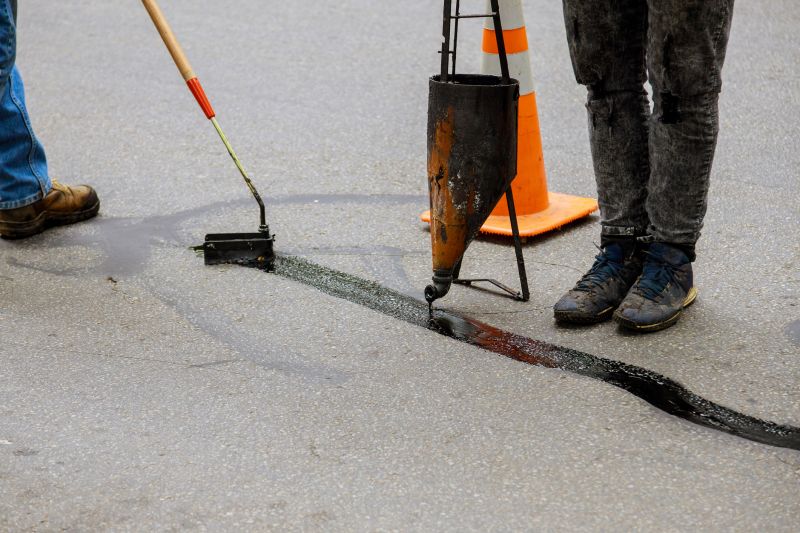
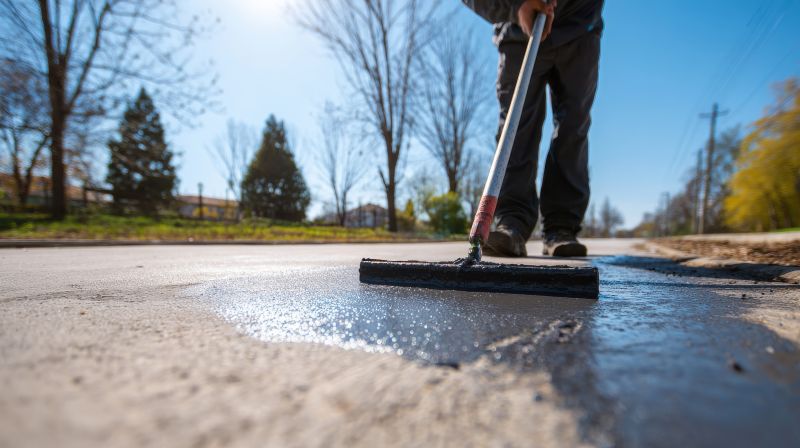
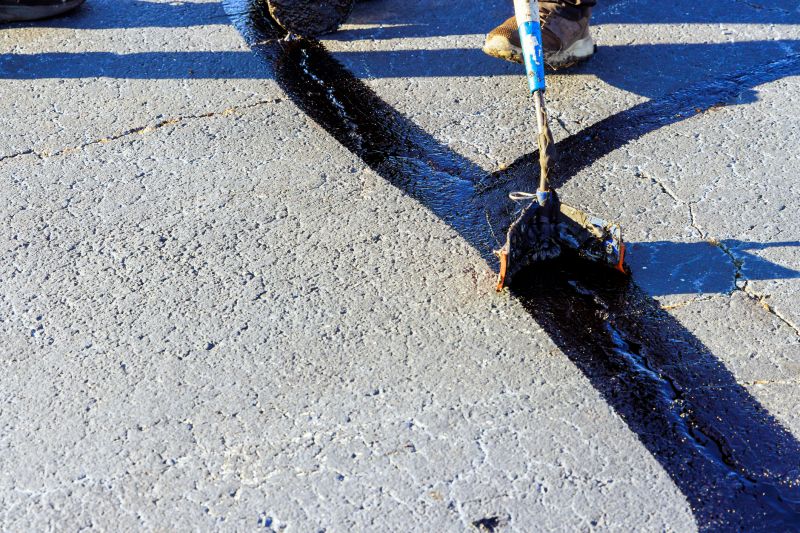
Understanding the signs it’s time to seal your asphalt surface is essential for maintaining its durability and appearance. Homeowners often search for this topic when they notice visible issues on their driveway, parking lot, or other paved areas that suggest the asphalt is aging or deteriorating. Common concerns include the presence of cracks, surface wear, or fading color, which can indicate that the protective sealant has worn away. Recognizing these signs helps property owners decide when a sealing treatment is needed to prevent further damage and extend the lifespan of the asphalt surface.
This topic relates closely to property maintenance and planning for long-term repairs. When the asphalt begins to show signs of damage, it can lead to more serious problems like potholes, water infiltration, and structural instability. Seal coating is a proactive step to protect the surface from the effects of weather, UV rays, and regular use. Homeowners and property managers often consider sealing when planning improvements or repairs, aiming to preserve the curb appeal and functionality of their paved areas. Local contractors who specialize in asphalt sealing can assess the condition of the surface and recommend the appropriate timing for sealing to ensure optimal protection.
The types of properties that typically come up in discussions about sealing asphalt include residential driveways, commercial parking lots, and community pathways. Residential properties often seek sealing to maintain their home’s exterior appeal and safeguard their investment. Commercial properties, on the other hand, focus on sealing to ensure safe, attractive parking areas for customers and employees. Multi-unit complexes and public spaces also benefit from regular sealing to manage wear and tear caused by high traffic volumes. These projects usually require the expertise of local service providers who understand the specific needs of different property types and can tailor their services accordingly.
For homeowners considering whether it’s time to seal their asphalt, recognizing the physical signs is key. Visible cracking, surface fading, and the presence of small potholes or raveling are clear indicators that the protective layer has diminished. When these signs appear, it’s a good idea to consult with local pros who specialize in asphalt sealing. These professionals can evaluate the condition of the surface, recommend the right timing for sealing, and perform the work to help preserve the asphalt’s integrity. Proper sealing not only improves the appearance but also acts as a barrier against future damage, making it a practical step in maintaining the longevity of any paved surface.
Paving Repair Projects - These projects involve fixing cracks and potholes that can indicate the need for sealing to prevent further damage and preserve surface integrity.
Driveway Resurfacing - Resurfacing work requires surface preparation similar to sealing, making it a related service that helps maintain asphalt longevity.
Parking Lot Maintenance - Regular maintenance tasks such as crack filling and patching align with sealing efforts to protect large asphalt surfaces in commercial areas.
Asphalt Crack Filling - Filling cracks is a preparatory step that often precedes sealing, ensuring a smooth, durable finish for asphalt surfaces.
Sealcoat Removal and Replacement - Removing old sealcoat and applying a new layer involves similar surface prep skills and tools used in sealing projects.
Surface Cleaning and Preparation - Proper cleaning and prep are essential for effective sealing and are common steps in various asphalt surface projects.
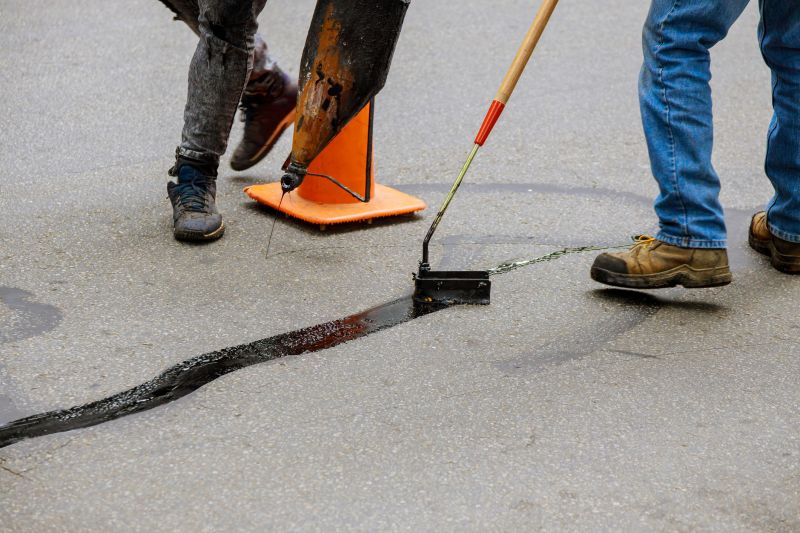
When evaluating asphalt surface sealing services, it is important to consider the experience of local contractors with similar projects. An experienced service provider will have a history of working with asphalt surfaces comparable in size, age, and condition to your own. This background can indicate their familiarity with common issues and effective sealing techniques, helping to ensure the job is done properly. Asking for details about past projects or seeking references can provide insight into their expertise and the quality of their work, giving confidence that they understand what it takes to protect and prolong the life of your asphalt.
Clear, written expectations are essential when comparing local contractors for asphalt sealing. A reputable service provider should be able to provide a detailed explanation of what the sealing process involves, including preparation steps, the type of sealant used, and the expected results. This transparency helps prevent misunderstandings and ensures that both parties are aligned on the scope of work. When reviewing proposals or estimates, look for well-defined descriptions of the services included, so it’s easier to compare options objectively and select a contractor who clearly understands your needs.
Good communication and reputable references are key indicators of reliable service providers. Contractors who are responsive and willing to answer questions demonstrate professionalism and a commitment to customer satisfaction. Additionally, checking references or reviews from previous clients can reveal the contractor’s track record in completing projects successfully and maintaining positive relationships. A contractor with a reputation for clear communication and satisfied past clients is more likely to deliver a smooth experience and a quality result when sealing your asphalt surface.
Property owners often search for signs it’s time to seal your asphalt surface when they are planning practical projects around their homes and businesses. Local pros provide Asphalt Surface Sealing services for everyday jobs and straightforward project options.
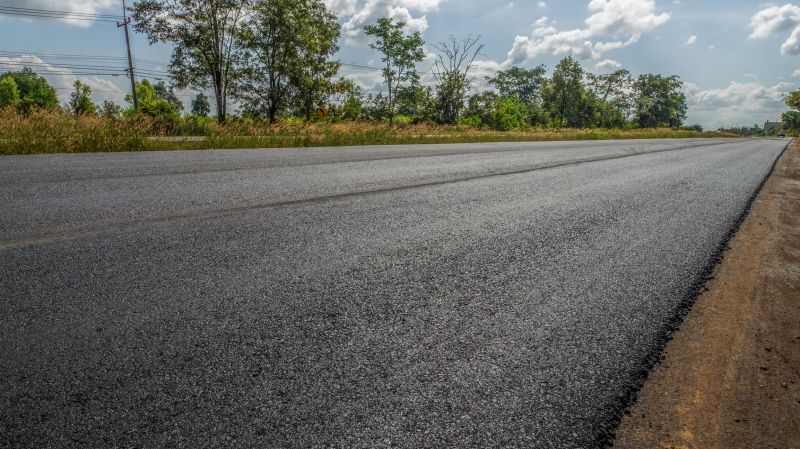
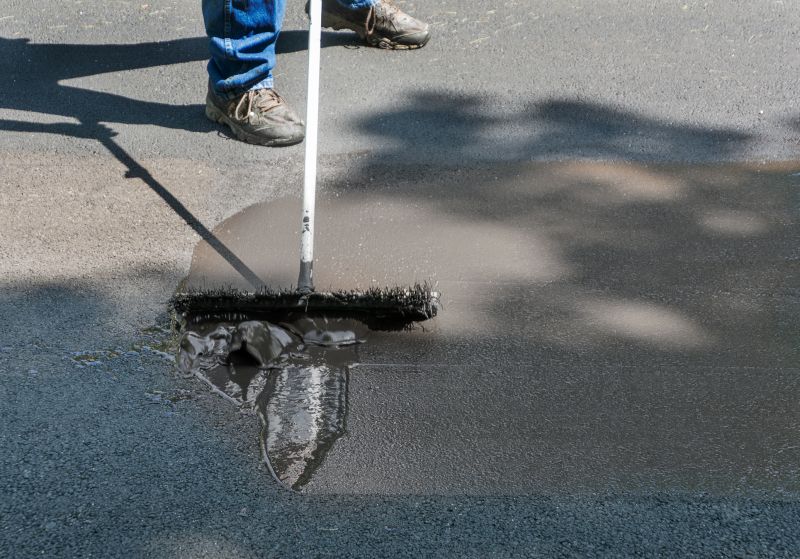
Property owners may notice cracks or surface deterioration on their asphalt driveways or parking lots, which can be signs it’s time to seal the surface. When asphalt begins to show visible signs of wear, sealing can help protect it from further damage caused by water penetration, temperature fluctuations, and regular use. Additionally, if the surface appears dull, faded, or stained, it could indicate that the asphalt’s protective layer has worn down, making sealing services a practical step to restore its appearance and durability.
Other common indicators include areas where oil or chemical spills have caused staining or where grass and weeds are starting to grow through small cracks. These issues can accelerate deterioration if left unaddressed. Property owners in the area often consider asphalt surface sealing services from local contractors to help extend the lifespan of their paved surfaces and maintain a clean, well-kept look. Connecting with experienced service providers can ensure the right solutions are applied at the appropriate time to keep asphalt surfaces in good condition.
What are common signs that indicate it’s time to seal an asphalt surface? Visible cracks, fading color, and surface deterioration are typical signs that asphalt may need sealing to protect it from further damage.
How does surface fading relate to the need for sealing? Fading or loss of the asphalt’s original color often suggests the surface has been exposed to UV rays and weathering, signaling that sealing can help restore and protect it.
Why are cracks in asphalt a sign to consider sealing? Cracks can allow water to penetrate the surface, leading to further damage; sealing helps fill these cracks and prevents water infiltration.
Can surface deterioration be an indicator for sealing services? Yes, areas showing signs of surface wear or loose aggregate may benefit from sealing to reinforce the asphalt’s integrity.
Who can help determine if my asphalt needs sealing? Local contractors experienced in asphalt sealing can assess your surface and recommend appropriate sealing services based on its condition.
Cracked or chipped surface - noticing cracks or chips on the asphalt indicates it may need sealing to prevent further damage. Local contractors can assess the surface and recommend sealing to maintain its integrity.
Faded or dull appearance - a worn, faded look suggests the asphalt has lost its protective layer and could benefit from sealing to restore its appearance.
Oil stains or surface stains - persistent stains can penetrate the asphalt, and sealing can help protect against future staining and surface deterioration.
Post-repair or resurfacing - sealing after repairs or resurfacing helps extend the lifespan of the work and keeps the surface looking fresh.
If you are thinking about signs it’s time to seal your asphalt surface for a property, this guide is meant to help you understand this topic, the typical project types, and how different options might fit your plans.
When you are ready, you can use the quote form on this page to share a few details about your project. From there, local pros can review the basics and follow up with options that match what you have in mind.